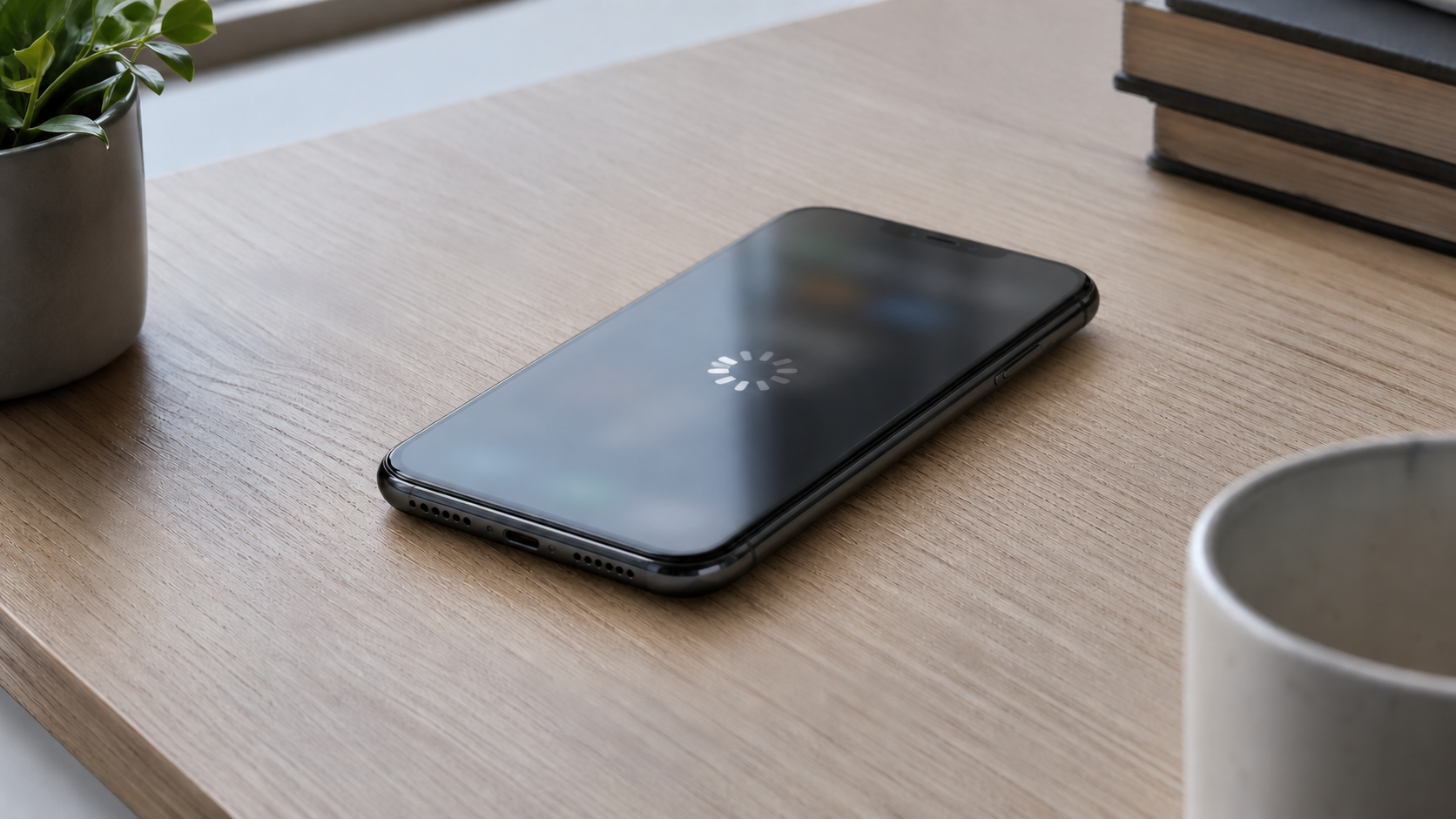
Many people assume that heavy usage is the main reason phones slow down.
So when a phone starts lagging despite minimal use, it feels confusing.
However, performance issues are not always linked to how often you actively use your phone.
In many cases, the real reasons are running in the background.
1. Background Processes Keep Running
Even when you are not actively using your phone, many apps continue to run.
They handle:
- notifications
- data syncing
- location tracking
- updates
Over time, this constant background activity puts pressure on system resources.
2. Storage Can Still Be a Limiting Factor
Usage frequency does not change how storage behaves.
If your phone has limited free space, the system struggles to manage temporary files efficiently.
This can cause lag even when you are doing simple tasks.
You can read more about this here:
Why Your Phone Slows Down When Storage Is Full (And How to Fix It)
3. Apps Accumulate Data Over Time
Even if you rarely open certain apps, they still store:
- cached data
- logs
- background files
This buildup happens quietly and can affect performance.
4. System Resources Are Always Active
Your phone constantly runs system-level processes such as:
- memory management
- security checks
- background services
These processes continue regardless of how often you use the device.
5. Battery Condition and Efficiency
As batteries age, they may not deliver power as efficiently.
This can lead to slight performance limitations, especially under load.
What You Can Do
You don’t need to use your phone heavily to keep it fast.
Instead:
- maintain enough free storage
- remove unused apps
- restart your phone occasionally
- limit unnecessary background activity
These simple steps help maintain smooth performance.
Final Takeaway
Phone performance is not just about how much you use it.
Background processes, storage conditions, and system behavior all play a role.
Even minimal usage does not prevent slowdowns if these factors are not managed properly.